

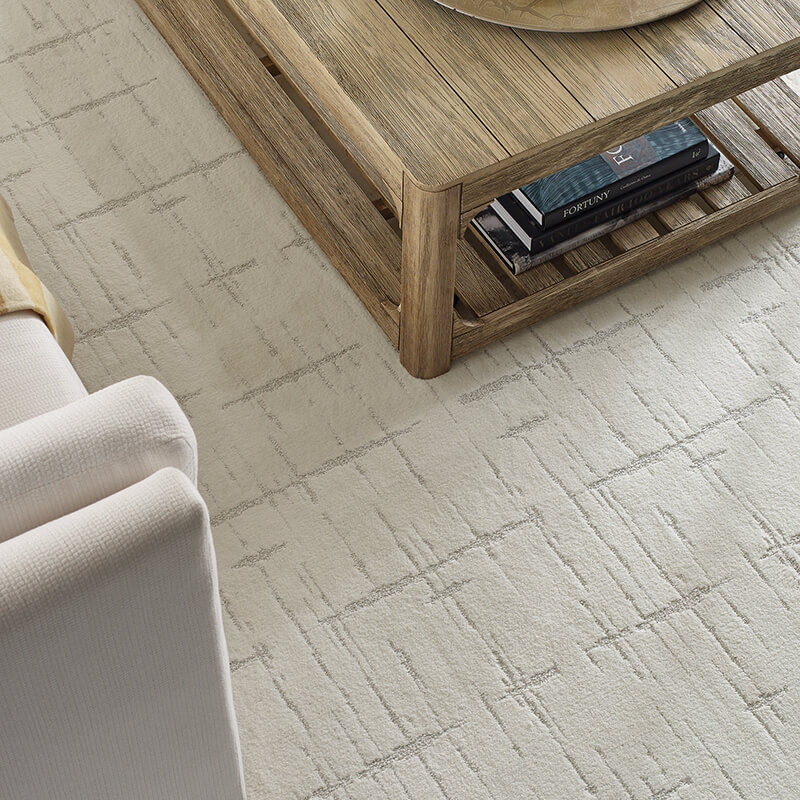
Patterned carpet has a way of pulling a room together. Geometric weaves, floral repeats, and bold modern motifs add personality that solid colors simply cannot match. The catch is that all of that visual interest depends on one quiet detail behind the scenes. That detail is how the pattern aligns from edge to edge once the carpet is installed.
When the repeat lines up cleanly, the floor reads as one continuous design. When it does not, every seam becomes a distraction your eye keeps returning to. We at H W Flooring have spent years guiding homeowners across San Diego, Poway, Rancho Bernardo, Rancho Santa Fe, Del Mar, Escondido, and 4S Ranch through this exact planning process. The difference between a thoughtful layout and a rushed one is something you feel the moment you walk in, and choosing the right patterned carpet is only the start.
Why pattern repeat planning makes or breaks the look
Every patterned carpet has a fixed repeat, meaning the design restarts at a set distance both lengthwise and widthwise. That repeat governs how the carpet behaves once it is rolled out and cut to fit your room. Skip the planning step and you can end up with cropped motifs at the doorway or mismatched lines along the longest wall. A bit of forethought up front turns the same roll into something that feels truly custom-made.
Reading the repeat before the carpet hits the floor
Before any cuts happen, we study the manufacturer specifications alongside the actual sample sitting in your home. Pattern repeats can range from a few inches to several feet, and that number changes everything about layout strategy and material quantity. Larger repeats need more material because each piece must shift to align with the next, while smaller repeats are more forgiving but still need careful attention at the seams.
Mapping pattern lines to room geometry
Rooms are rarely perfectly square, and that is where pattern planning truly earns its keep. We measure the longest sightline, identify which wall the eye lands on first when entering, and orient the dominant pattern line to that focal point. The same approach applies whether you are working with a soft transitional weave or a more graphic look from our collection of carpet styles. Small angle shifts at the layout stage prevent big visual headaches later.
Seam strategy that keeps the eye moving
Even the most beautiful patterned carpet needs seams in most rooms, and the goal is never to eliminate them entirely. The goal is to put them where they quietly disappear. With patterned goods, that means matching the design across the joint so the repeat continues without a hitch and the seam itself becomes invisible to anyone walking through.
Choosing seam locations that work with the pattern
We plan seams away from doorways, primary walking paths, and bright windows whenever the room layout allows. Light angles and foot traffic are what reveal a poorly placed seam, so we route joints into quieter zones of the room. On larger spaces, we sometimes shift the entire layout by an inch or two to land a seam on a less obvious line of the pattern, which protects the look for years to come.
Trimming, matching, and pressure that hide the joint
Once seams are located, the craft takes over. Our installers row-cut the edges so the pattern continues exactly across the seam, then apply consistent heat and pressure for a flat, durable bond that holds up to daily life. This level of detail is exactly why our professional installation services matter so much for patterned goods. A seam you cannot find is the whole point.
Talk to our team about your patterned carpet project
Patterned carpet rewards careful planning, and we love walking homeowners through every step of the journey. Browse our full flooring catalog to start gathering ideas, then reach out for a complimentary in-home estimate so we can measure, map repeats, and recommend the smartest layout for your space. We would be happy to bring samples right to your door.


