

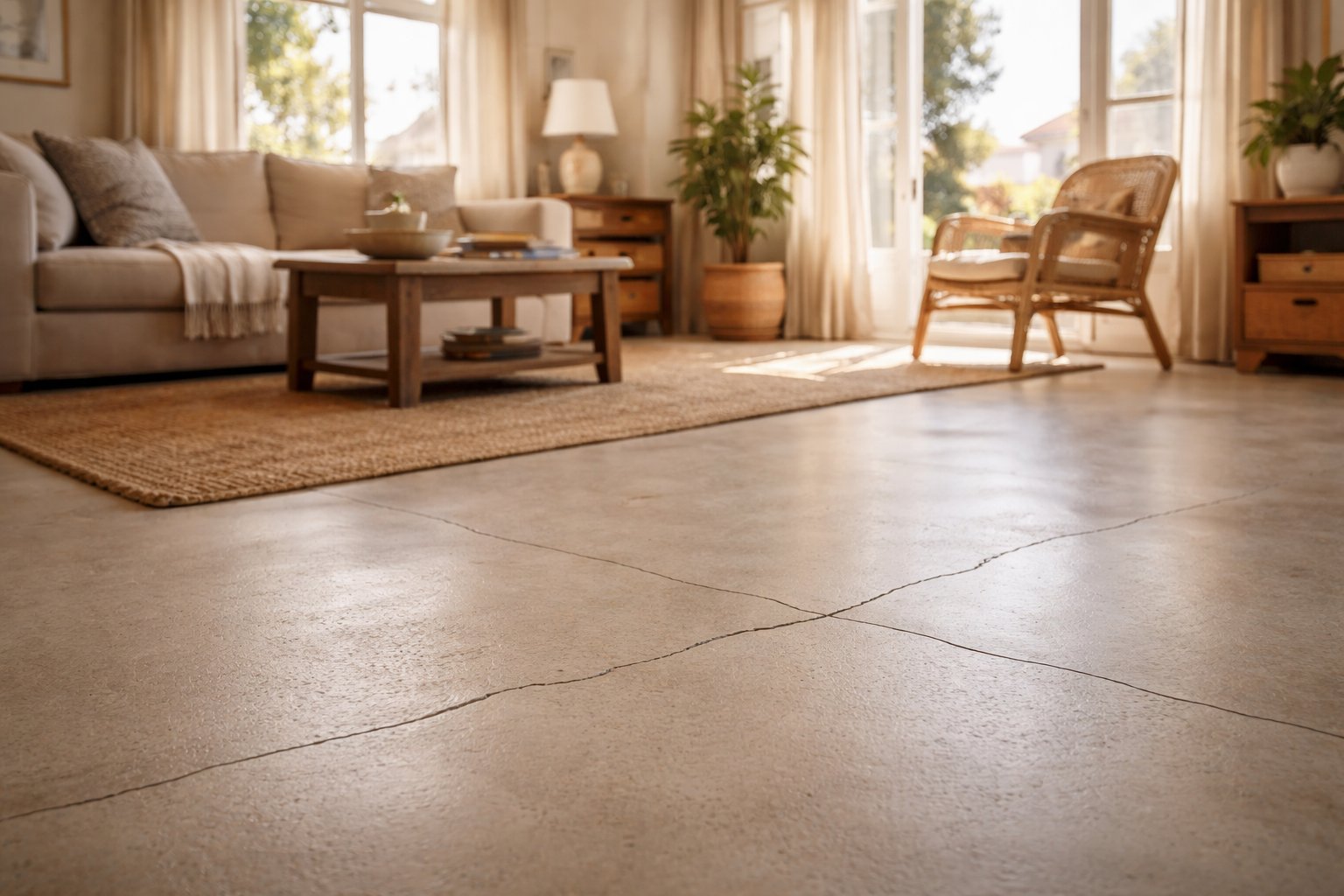
Cracks in a floor can feel like a red flag—especially in San Diego’s older homes where a lot of the housing stock has seen decades of settling, remodels, and changing conditions. The good news is that many cracks are explainable and fixable once the real cause is identified. The not-so-good news is that patching the surface without addressing what’s happening underneath often leads to the same crack returning (or new ones showing up nearby).
This guide walks through the most common reasons floors crack in older San Diego homes—what tends to trigger it, what to watch for, and when it’s time to bring in flooring experts for a closer look.
A quick way to think about floor cracks
Most floor cracking comes down to one of these:
Movement below the floor (foundation, slab, subfloor, framing)
Stress within the floor system (expansion, contraction, weak points)
Installation or material mismatch (wrong prep, wrong underlayment, no movement joints)
Pinning the crack into one of those buckets helps avoid wasting money on cosmetic fixes.
Foundation settlement that builds up over decades
Older homes naturally settle over time, and San Diego’s mix of hillside lots, fill areas, and varied soil conditions can make that settling uneven. Even slight changes in the foundation can transfer upward into tile, hardwood, laminate, or vinyl—especially when the flooring is installed over a slab that has minor movement.
A typical sign: cracks that reappear after repair, or cracks that follow a path across a room rather than staying isolated to one spot.
Reactive soil and seasonal moisture swings
Even though San Diego isn’t known for “extreme” weather, long dry stretches followed by heavy rain can create noticeable soil movement in certain neighborhoods. When soil expands and contracts, the slab can shift subtly. Rigid flooring surfaces tend to reveal that shift first because they don’t flex much.
Common clue: cracks that worsen after rainy periods, or floors that feel slightly uneven in the same areas where cracking appears.
Concrete slab cracks telegraphing to the surface
In older homes, it’s common to find existing slab cracks that were never properly treated before new flooring went in. If flooring is installed directly over a slab crack—without the right prep or protection—movement from that crack can “telegraph” through and show up in the finished floor.
This is especially common in tile installations, where grout lines and tile corners act like stress concentrators.
Lack of movement space from past remodels
A lot of older San Diego homes have been remodeled multiple times. Sometimes flooring is installed too tight to walls, cabinets, or fixed surfaces—leaving no room for natural expansion and contraction. That trapped stress has to go somewhere, and it can show up as:
cracked grout lines
buckled planks
splits at seams
cracks near thresholds or doorways
This tends to happen more in large open areas and long hallways where a continuous run of flooring has fewer natural “breaks.”
Subfloor or underlayment problems in raised foundations
Not all older homes are slab-on-grade—many have raised foundations. In those homes, cracked flooring can come from subfloor issues like:
loose or squeaky panels
uneven joists
moisture-damaged plywood
old patches or layers from previous flooring
If the subfloor flexes underfoot, the surface flooring can crack, separate, or loosen over time. A small bounce that seems harmless can be enough to stress rigid finishes.
Hidden moisture from plumbing leaks or poor drainage
Floor cracks that cluster near bathrooms, kitchens, laundry rooms, or exterior walls sometimes point to moisture. Older plumbing lines can develop slow leaks, and older drainage patterns can allow water to collect near the foundation. Over time, moisture can weaken the supporting layer below the floor, causing uneven support and cracking.
Tip: if cracking is paired with musty smells, warping, or discoloration, moisture should be ruled out early.
Earthquake and vibration impact over the years
San Diego experiences seismic activity, and even small shifts or repeated vibration can contribute to long-term movement in older structures. Flooring doesn’t need a dramatic earthquake event to crack—sometimes it’s the cumulative effect of slight shifts over time, especially in homes that already have minor settlement or older construction methods.
Why cracks often show up “after” a flooring upgrade
It’s frustrating, but common: a homeowner installs new floors and suddenly notices cracks that “weren’t there before.” Often, the movement existed already, but the new material makes it visible. A rigid surface or a cleaner finish can highlight small changes that carpet or older worn flooring hid.
When planning repairs or replacements, it helps to work with a team that looks at the system—not just the surface. More about how we approach projects and long-term solutions is available on our flooring company page.
Signs the crack needs professional attention
Some cracks are minor and stable. Others deserve a closer look. These are the ones that should not be ignored:
the crack is widening over time
edges are lifting or becoming uneven
multiple cracks are appearing in the same area
doors begin sticking near the cracked room
the floor feels hollow, bouncy, or soft underfoot
For older San Diego homes especially, the smartest next step is confirming whether the issue is movement, moisture, or installation prep before investing in a repair.
Choosing the right next step for an older home
The best fix depends on what’s actually happening underneath:
If the slab is stable but has old cracks, prep and protective layers matter.
If the subfloor flexes, the support system has to be corrected first.
If moisture is involved, stopping the source comes before cosmetic repair.
If expansion space was ignored, adjustments may be needed to relieve stress.
For homeowners weighing repair vs. replacement, helpful project planning details (including what to expect during a flooring project) can be found on the home page.
Ready to get clear answers?
We help homeowners across San Diego figure out what’s causing floor cracking and what repair or replacement path makes sense for the home and budget. Schedule a complimentary estimate through our contact page and we’ll take it from there.


