

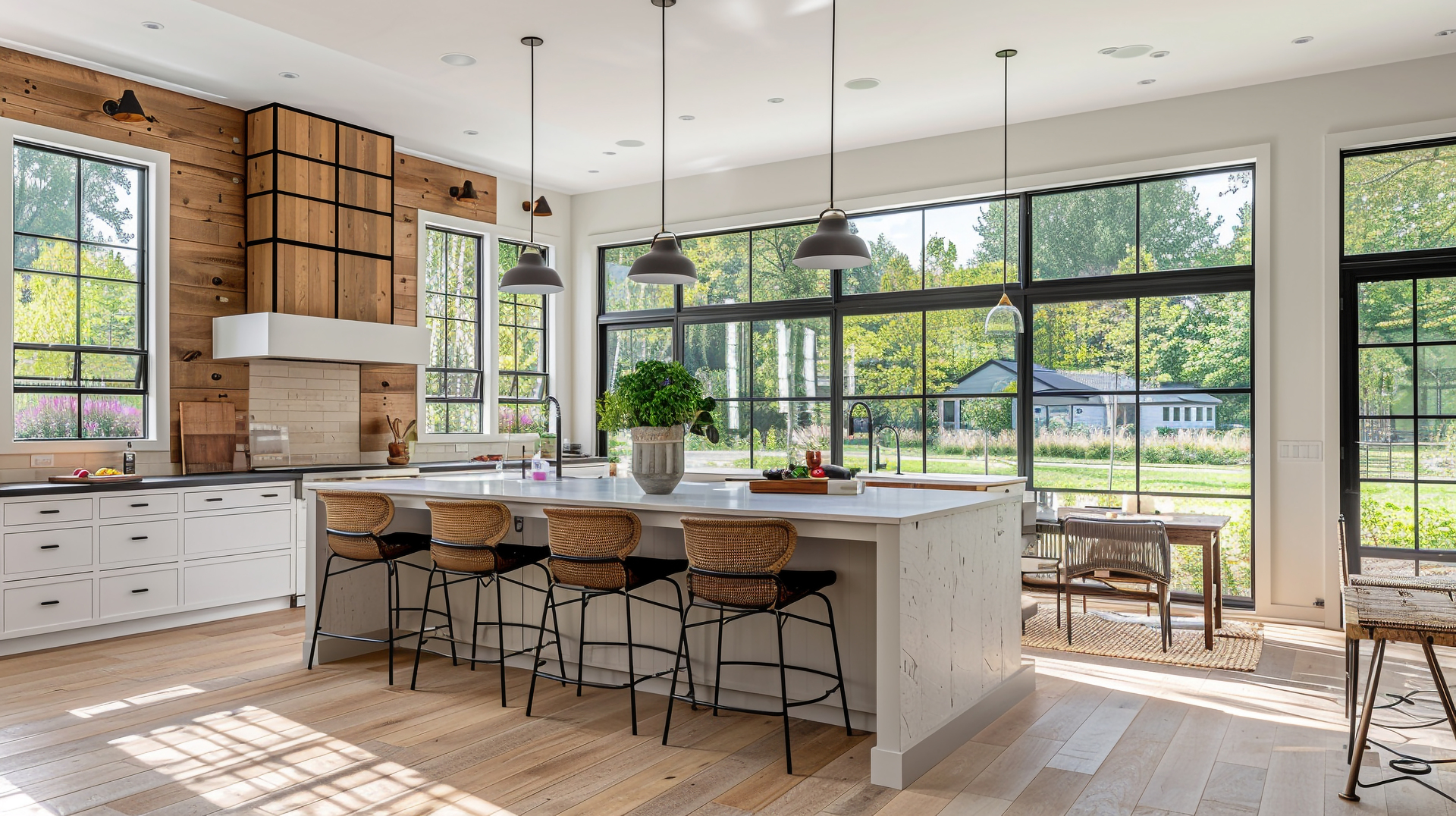
Hardwood flooring has long been associated with living rooms, dining areas, and bedrooms, but kitchens are increasingly part of the conversation. Many homeowners are drawn to the warmth and continuity hardwood brings to an open floor plan, especially in homes where kitchens flow directly into living spaces. At the same time, kitchens present unique challenges that make hardwood a thoughtful decision rather than an automatic one. Understanding both the benefits and the limitations helps determine whether hardwood is the right fit for a kitchen environment.
The visual appeal hardwood brings to kitchen spaces
One of the strongest arguments for hardwood in kitchens is aesthetic impact. Natural wood instantly softens a space often dominated by cabinets, countertops, and appliances. Grain variation, plank width, and color tones add depth that tile or vinyl may struggle to replicate.
Hardwood also creates visual continuity. In open-concept homes, extending the same wood flooring from the living area into the kitchen helps the space feel larger and more cohesive. This seamless look remains popular in San Diego homes where indoor-outdoor flow and open layouts are common.
Comfort underfoot during everyday kitchen use
Kitchens are high-activity spaces, and standing for extended periods can take a toll. Hardwood floors offer a warmer and slightly more forgiving surface compared to tile or stone. This subtle comfort difference becomes noticeable during meal prep, cooking, and cleanup.
Wood also maintains a more consistent temperature, which can feel especially pleasant in coastal areas like Del Mar or Rancho Santa Fe, where chilly tile floors are less desirable during cooler months.
A long-term investment that can add value
Hardwood flooring continues to be viewed as a premium feature in real estate. Kitchens with hardwood floors often appeal to buyers looking for a timeless, upscale feel. When properly maintained, hardwood can last decades, making it a long-term investment rather than a short-term design choice.
Another advantage is refinishability. Unlike many kitchen flooring options that must be replaced once worn, hardwood can often be sanded and refinished, extending its lifespan and allowing for color updates over time.
Moisture exposure and spill risks to consider
The biggest concern with hardwood in kitchens is moisture. Spills, splashes, and humidity can cause wood to expand, warp, or discolor if not addressed quickly. Areas near sinks, dishwashers, and refrigerators are especially vulnerable.
This does not mean hardwood is automatically unsuitable, but it does require mindful living. Prompt cleanup and protective measures, such as area rugs near sinks, become part of daily habits. Engineered hardwood may also be considered for added stability in moisture-prone spaces.
Durability in a high-traffic environment
Kitchens experience some of the highest foot traffic in a home. Chairs scraping, dropped utensils, and pet movement can all leave marks over time. While hardwood is durable, it is not immune to dents and scratches.
That said, many homeowners appreciate the character that develops with age. Minor wear can add a lived-in charm, especially with matte or wire-brushed finishes that disguise imperfections better than high-gloss surfaces.
Maintenance expectations beyond basic cleaning
Hardwood kitchen floors require consistent care to stay looking their best. Regular sweeping prevents grit from scratching the surface, while damp mopping must be done carefully to avoid excess water.
Occasional refinishing or recoating may be needed, depending on traffic levels and finish type. While this maintenance is manageable, it is more involved than some alternative kitchen flooring options designed for heavy moisture resistance.
Comparing hardwood to popular kitchen alternatives
Tile and luxury vinyl remain common kitchen choices due to their water resistance and ease of maintenance. Tile excels in moisture-heavy environments but can feel cold and hard. Luxury vinyl offers impressive durability and visual variety, though it may lack the authentic warmth of real wood.
Hardwood sits in the middle ground—less forgiving than vinyl when it comes to water, but far superior in terms of natural beauty and long-term value. The decision often comes down to lifestyle, design priorities, and willingness to maintain the floor properly.
When hardwood makes the most sense in kitchens
Hardwood tends to perform best in kitchens that are part of a larger open space, where visual continuity is a priority. Households with established routines around cleaning spills and managing moisture often find hardwood entirely workable.
Choosing the right species, finish, and installation method also plays a major role. Experienced flooring professionals can help match the right wood option to the realities of kitchen use, reducing risks and maximizing longevity.
Where hardwood fits best in real kitchens
Installing hardwood floors in a kitchen is not simply a design decision—it is a balance between beauty and function. When expectations align with daily habits, hardwood can be a rewarding and lasting choice. Understanding the pros and cons ensures the floor supports both the look of the space and the way it is lived in.
Thinking about hardwood floors for a kitchen remodel in San Diego, Rancho Bernardo, Del Mar, or nearby areas? H W Flooring is a family-owned flooring company offering shop-at-home service, expert guidance, and professional installation. Call today to schedule a complimentary in-home estimate and discuss hardwood options that fit the space, lifestyle, and long-term goals.


