

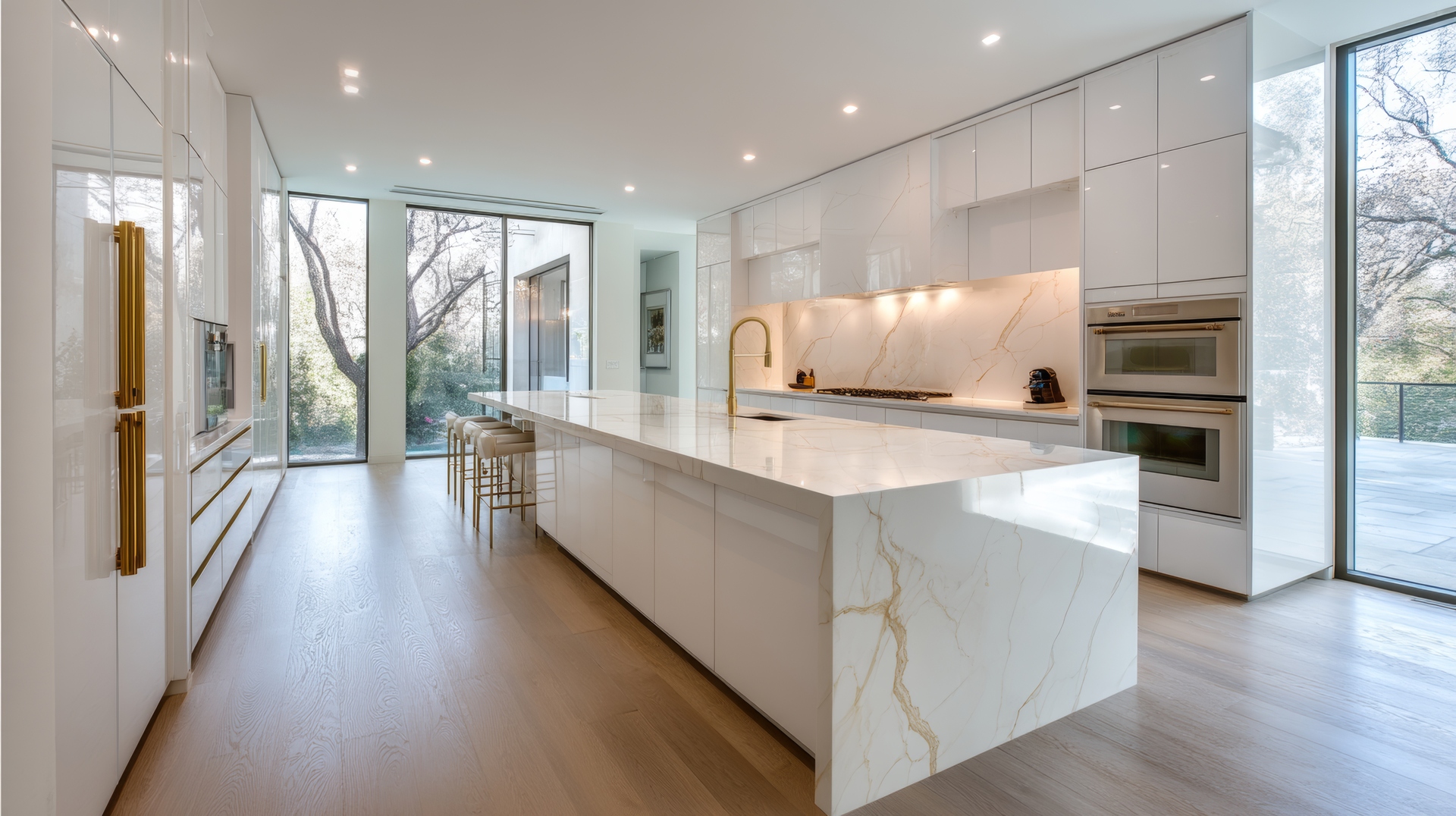
Selecting the perfect color palette for Luxury Vinyl Plank (LVP) flooring plays a huge role in shaping the atmosphere of any home. Beyond durability and ease of maintenance, LVP gives a chance to express personal style—especially through warm and cool tones. Each tone category brings its own personality, mood, and design impact, and understanding these subtleties helps create a space that feels balanced, welcoming, and beautifully intentional. Whether planning a single-room update or a whole-home transformation, knowing how warm and cool LVP tones influence your interiors makes every decision easier and more rewarding.
Understanding the difference between warm and cool tones
Warm and cool tones aren’t just colors—they’re emotional cues. Warm LVP shades often include tans, honey browns, golden oaks, and rich chestnut tones. These make rooms feel cozy, grounded, and softly energized. Cool tones, on the other hand, lean toward grays, whites, driftwoods, and muted taupes. These shades create a fresh, calm, and contemporary feel, often preferred in modern and coastal-style homes.
LVP is designed to mimic the natural variation of real wood, so both warm and cool options include subtle shifts in grain pattern, texture, and undertones. These small details make a big difference, especially when coordinating with furniture, wall colors, and natural lighting.
How warm-tone LVP transforms everyday spaces
Warm tones bring familiarity and comfort—perfect for homeowners wanting a welcoming environment. Golden and caramel-style LVP works well in traditional interiors, rustic designs, and family rooms where softness matters most. These shades bring in visual warmth that makes large rooms feel intimate and smaller rooms feel cozy rather than confined.
Warm-tone LVP also pairs beautifully with earthy palettes, soft neutrals, and deeper furniture colors. If the home includes wooden cabinetry, warm flooring creates a pleasing flow from room to room. Even when using modern décor, warm-toned floors prevent the space from feeling too sterile.
Why cool-tone LVP has become a design favorite
Cool-tone LVP flooring has become one of the most requested styles in contemporary homes—and for good reason. Shades like ash gray, weathered driftwood, or soft white oak give interiors a polished and airy feel. These tones bounce natural light beautifully, making them ideal for rooms that need brightening or homes with plenty of windows.
Cool LVP tones also work exceptionally well with modern furniture, glass accents, stainless steel appliances, and minimalistic décor. They create a clean, structured look without feeling cold when styled thoughtfully. With the right balancing elements—like warm lighting or textured rugs—cool LVP can feel both fresh and inviting.
Balancing room temperature: combining warm and cool tones wisely
Sometimes the best interiors use a pleasant mix of both tone types. For example:
White walls and warm-tone LVP create crisp contrast while preserving comfort.
Cool-tone LVP with natural wood furniture builds a lovely modern-organic atmosphere.
Warm LVP in living areas and cool LVP in bathrooms or bedrooms establishes functional transitions that still feel harmonious.
The key is picking one category as the home’s “anchor” tone and using the opposite tone in smaller accents, not the other way around. This ensures the design remains consistent without looking mismatched.
Lighting’s major influence on warm vs cool LVP choices
Lighting—both natural and artificial—dramatically affects how flooring colors appear. Warm-tone LVP looks richer and more golden when hit by direct sunlight, while cool-tone LVP can appear slightly bluer or lighter. In low-light rooms, warm tones help avoid dullness, whereas cool tones offer a refreshing brightness.
Homeowners are encouraged to view flooring samples in different lighting throughout the day before finalizing a selection. The same LVP plank can shift noticeably between morning sunlight, evening shadows, and warm interior bulbs.
Matching your LVP tones with cabinets, furniture, and wall colors
Since flooring is the foundation of a home’s design, matching its tones with other elements is crucial. Here are helpful pairing tips:
Warm-tone LVP pairs beautifully with beige walls, cream furniture, deep greens, leather upholstery, and natural wood accents.
Cool-tone LVP loves charcoal grays, whites, blacks, stainless steel, navy, and minimalist décor.
For blended homes, choose neutral paint colors (like greige) with balanced undertones to tie the palette together.
Staying consistent with undertones—yellow for warm, blue for cool—makes it much easier to create a space that feels cohesive and naturally stylish.
The best LVP tone isn’t just about style—it’s about how the home should feel day to day. Warm tones bring coziness and tradition, cool tones add edge and freshness, and blended spaces offer a little of both. LVP gives flexibility to suit every preference, and with careful coordination, any home can achieve a beautifully curated look.
Connect with H W Flooring for expert help choosing your LVP palette
For homeowners across San Diego, Poway, Rancho Bernardo, Rancho Santa Fe, Del Mar, Escondido, and 4S Ranch, H W Flooring is here to guide every step of the selection process. As a family-owned flooring company specializing in sales, installation, repairs, and DIY consultation, we bring supportive service, expert recommendations, and workmanship that always impresses. Contact us today for a complimentary estimate and experience the dedicated care every home deserves.


